Getting approved on OGAds feels intimidating when you’re new. Forums are full of rejection stories, YouTube comments warn you it’s “hard,” and beginners assume there’s some hidden requirement they don’t have yet.
But here’s the truth: OGAds isn’t rejecting beginners, it’s rejecting unprepared applications.
If you understand what the network is actually looking for and present yourself correctly, approval is far more achievable than people think.

Why OGAds Approval Feels “Hard” for Beginners
Most beginners apply too early and too casually.
They rush through the form, treat it like a signup instead of a business application, and assume honesty means underselling themselves. On OGAds’ side, that looks risky , not inexperienced, but careless.
Because OGAds manually reviews applications, every weak answer stands out. When dozens of applicants say things like “I’m new and just testing things out,” it becomes easy for reviewers to filter those out fast.
That’s why approval feels “hard”: not because beginners aren’t welcome, but because most don’t know how to present themselves yet.
The Real Reason Most People Get Rejected

Rejections usually come down to one core issue: you don’t look ready to send quality traffic.
Common rejection patterns include:
- Blank or vague answers in the traffic section
- No website, landing page, or visible funnel
- Unclear or unrealistic traffic plans
- Missing or unverifiable contact details
From OGAds’ perspective, these applications signal risk , not learning potential.
CPA networks don’t lose money when someone is new. They lose money when someone sends fake, low-quality, or non-compliant traffic.
The Core Idea: Looking “Intermediate” on Paper
You don’t need years of experience.
You don’t need earnings screenshots.
You don’t need a massive audience.
What you do need is to look like someone who has done their homework.
That means:
- You understand what content locking is
- You have a simple but real promotional plan
- You can explain where traffic will come from and where it will go
When your application reads like someone who already understands the basics, OGAds treats you as lower risk , even if you’re technically a beginner.
What OGAds Looks For
OGAds is a content-locking CPA network. Their entire business depends on affiliates sending real users who complete offers legitimately. That makes them selective , not elitist, but protective.
What OGAds Is and Why They’re Selective
OGAds connects advertisers with affiliates through content lockers: users complete offers to unlock content. If affiliates send bots, fake leads, or misleading traffic, advertisers get chargebacks , and OGAds takes the hit.
So approval isn’t about gatekeeping. It’s about protecting advertiser trust and network longevity.
Why Low-Quality Traffic Hurts Advertisers (and the Network)
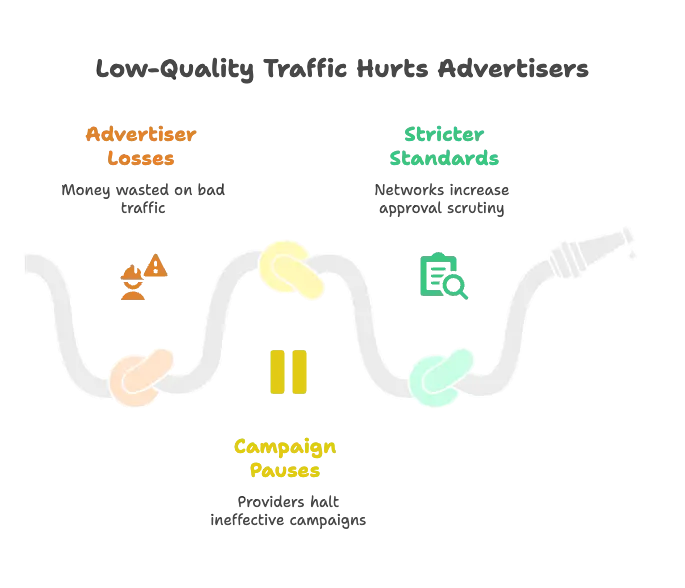
Low-quality traffic causes:
- Advertisers to lose money
- Offer providers to pause or remove campaigns
- Networks to tighten approval standards
That’s why OGAds screens applications carefully. They’re not asking, “Are you experienced?”
They’re asking, “Will this person send real, compliant users?”
The Four Things OGAds Actually Checks
1. Legitimate Identity
They want to know you’re real.
- Real name
- Real email
- Accurate address and country
Fake or inconsistent information is an instant red flag.
2. Clear Traffic Understanding
You don’t need traffic yet , you need a plan.
- Where users come from
- How they reach your content
- How the content locker fits into the flow
Clarity beats confidence here.
3. Basic Promotional Setup
A simple landing page, website, or active social profile shows intent.
It tells OGAds you’re not “just trying things” , you’re building something.
4. Willingness to Communicate
OGAds wants to be able to reach you.
- Messenger (Telegram, etc.)
Applicants who look responsive and professional are easier to approve , and easier to work with long term.
Bottom line: OGAds doesn’t require expertise. It requires seriousness.
And seriousness is something even a beginner can demonstrate.
Step 1: Prepare Your “Proof” Before Applying
Before you even open the application form, you need something to point to. OGAds doesn’t expect perfection , but they do expect intent.
This step alone separates most approvals from most rejections.
Why Applying With Nothing Ready Hurts Approval Chances
When you apply with no website, no traffic source, and no clear content idea, your application looks speculative.
From OGAds’ perspective, that signals:
- You may not understand how content locking works
- You may experiment recklessly with offers
- You may send low-quality or accidental traffic
CPA networks don’t want to be your starting line. They want to be your next step.
Even a basic setup tells reviewers: “I’ve thought this through.”
Domain and Basic Landing Page
You don’t need a complex site. You need something that looks intentional and legitimate.
What “Minimal but Real” Looks Like
A minimal setup usually includes:
- A registered domain (not a free subdomain)
- A clean page explaining what users will get
- Clear language that access is unlocked after completing an offer

Think clear, not clever. No hype, no fake promises, no aggressive countdowns.
Acceptable Site Types
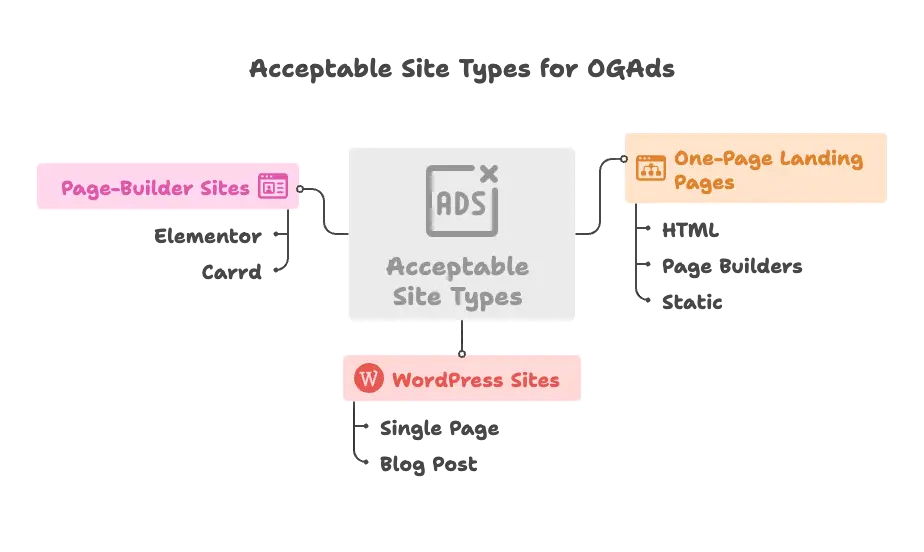 OGAds reviewers routinely approve:
- One-page landing pages (HTML, page builders, or static)
- WordPress sites with a single page or blog post
- Page-builder sites (Elementor, Carrd, etc.)
What matters is that the page:
- Loads properly
- Explains the locked content
- Doesn’t look spammy or deceptive
A simple page done well beats a “fancy” page done badly.
At Least One Active Traffic Source
OGAds does not require traffic volume at the approval stage. They require proof of a traffic channel.
Social Platforms That Work for Beginners
Beginner-friendly and commonly accepted platforms include:
- YouTube (even a small channel)
- TikTok or Instagram Reels
- Pinterest boards
- Niche blogs or basic SEO sites
- Reddit accounts tied to niche discussions
You only need one to start.
What “Active” Actually Means to Reviewers
“Active” does not mean viral or monetized.
It means:
- The profile exists
- There are posts visible
- The content matches the niche you plan to promote
Three to ten real posts are often enough. OGAds reviewers are checking for authenticity, not reach.
Content Idea Ready for Content Locking
This is where many beginners fail silently: they don’t show they understand what will be locked.

Beginner-Friendly Content Locking Angles
Some proven beginner angles include:
- Game mods or customization files
- Free tools
- Private resource lists or downloads
- Coupon or deal access
- Exclusive guides or ebooks
The key is perceived value , something users are willing to unlock.
How OGAds Expects Lockers to Be Used
OGAds expects lockers to:
- Unlock real content (not empty pages)
- Be placed after value is explained
- Comply with offer and traffic rules
The flow should be simple:
Traffic → Landing Page → Content Locker → Unlocked Content
When you can clearly describe this flow in your application, you stop looking like a random applicant and start looking like a real affiliate.
Bottom line:
You don’t need results. You need evidence of preparation.
That preparation is what turns a beginner application into an approved one.
Step 2: Start the OGAds Registration (Technical Basics)
Once your basic setup is ready, it’s time to actually apply. This part feels straightforward , but it’s where a surprising number of applicants quietly disqualify themselves.
Think of registration as identity verification plus intent verification.
Where to Apply
You apply directly through the official registration page on OGAds.
This is not an automated “instant approval” system. Every application goes into manual review, which means what you enter actually gets read by a real person.
That’s why details matter.
What the Registration Process Includes
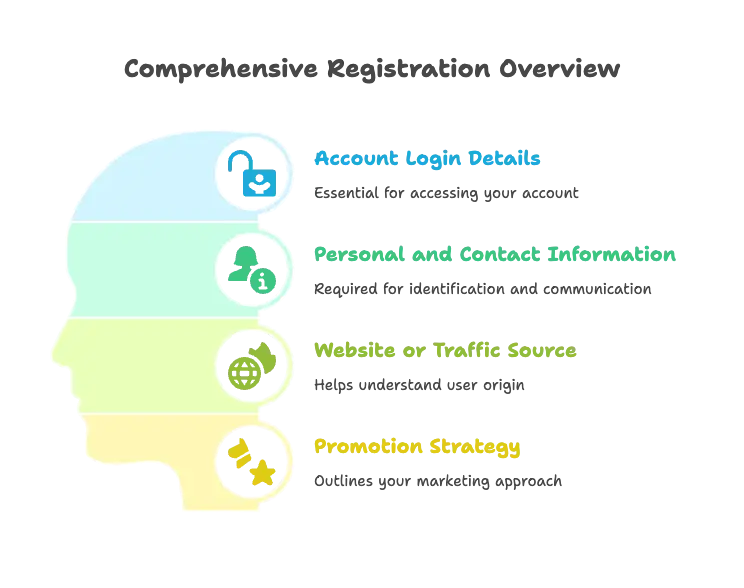
The registration process typically covers:
- Account login details
- Personal and contact information
- Website or traffic source
- Questions about how you plan to promote offers
On the surface, it looks simple. In practice, this is where OGAds decides whether you’re a low-risk affiliate or a potential problem.
Core Fields You Must Get Right
These fields seem basic , but they carry more weight than most beginners realize.
Email Best Practices
Use a clean, professional email address.
- Gmail is perfectly fine
- Avoid disposable, temporary, or unusual domains
Your email is how OGAds may verify you, request clarification, or resolve issues later. An unprofessional or inactive email signals unreliability.
If they can’t reach you, they can’t trust you.
Real Name & Address Requirements
Always use:
- Your real legal name
- A real address and postal code
- The correct country you’re actually in
Fake names, mismatched locations, or VPN-based country switching are common rejection triggers. Even if approval slips through initially, inconsistencies often cause problems later when payments or compliance checks happen.
OGAds is a business network , accuracy builds trust.
Account Credentials Setup
Choose:
- A normal username (no spammy or “hacker” names)
- A strong but standard password
This isn’t about branding , it’s about professionalism. Your username becomes part of your internal account identity.
Why Accuracy Matters More Than Speed
Most rejected applications weren’t wrong , they were rushed.
Common Mistakes During Signup
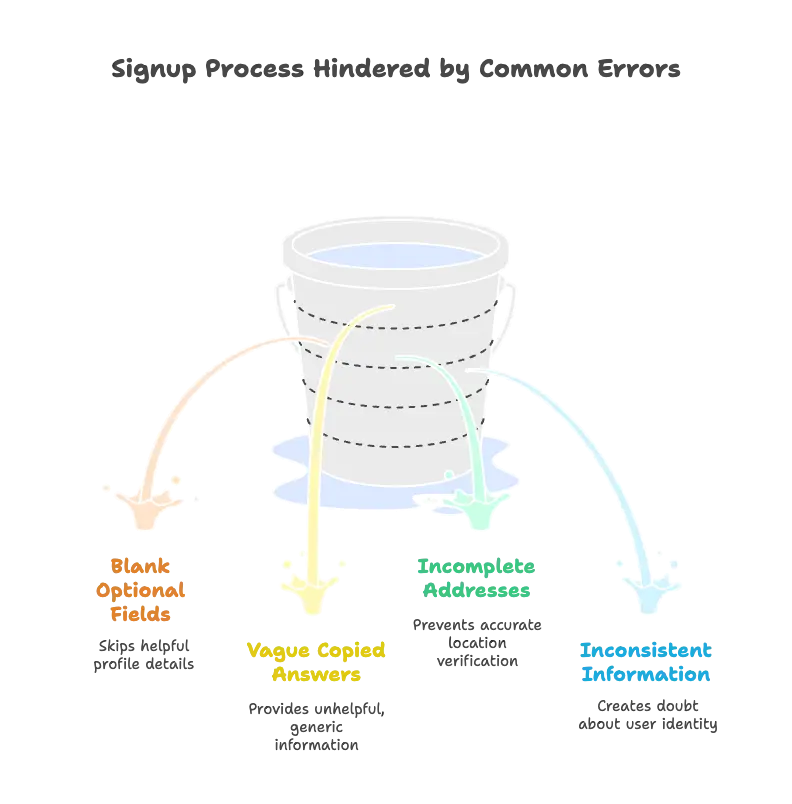
Some of the most frequent errors include:
- Leaving optional fields blank
- Copy-pasting vague answers
- Typing incomplete addresses
- Using inconsistent information across fields
Each one alone seems minor. Together, they paint a picture of someone who didn’t take the application seriously.
How Rushed Applications Raise Red Flags
OGAds reviewers see patterns every day.
When an application looks rushed, it suggests:
- The applicant may rush traffic testing
- They may ignore offer rules
- They may generate accidental or low-quality leads
Taking an extra 10–15 minutes to carefully fill out the form dramatically improves your approval odds.
Key takeaway:
OGAds doesn’t reward speed. It rewards clarity and accuracy.
Treat the registration like a business onboarding, not a casual signup, and you immediately stand out.
Step 3: Fill the “Hard” Questions Like an Intermediate
This is the section that decides almost every approval or rejection.
OGAds can overlook a small site or low traffic. What they won’t overlook is unclear thinking. These questions are designed to filter out people who don’t understand how CPA content locking works , or worse, people who might cause compliance issues.
Your goal here isn’t to sound advanced.
It’s to sound prepared, deliberate, and low-risk.
Why This Section Decides Approval or Rejection
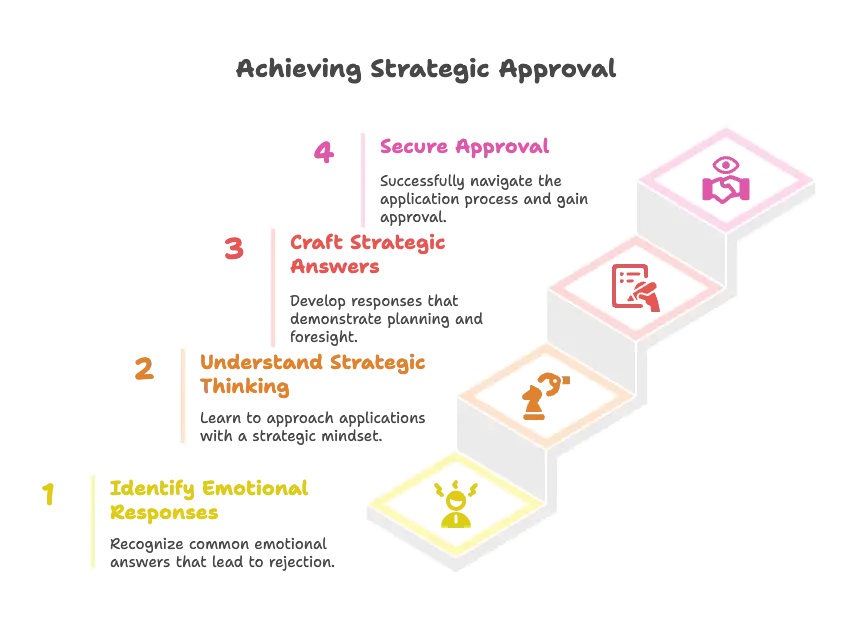
Most applicants fail here because they answer emotionally instead of strategically.
They say things like:
- “I’m brand new and just trying this out”
- “I’ll figure traffic out later”
- “I’ll use free traffic from social media”
To a reviewer at OGAds, that reads as uncertainty , not honesty.
What they want to see is structure: a clear idea of how traffic moves from platform → page → locker → content.
“How Will You Promote Our Offers?”
This question isn’t about platforms. It’s about flow.
What Not to Say
Avoid answers like:
- “I’m new and still learning”
- “I’ll post links wherever possible”
- “I’ll try different methods and see what works”
- “I’ll send traffic directly to offers”
These responses suggest randomness, not planning.
How to Describe a Clear, Simple Funnel
Instead, describe a basic but intentional funnel, even if it’s small.
Good examples:
- “I will post short gaming tutorials on TikTok and YouTube Shorts and send traffic to a landing page where users unlock game mods using OGAds content lockers.”
- “I will drive Pinterest traffic to a niche landing page offering free resources, with access unlocked via a content locker.”
Notice the pattern:
Traffic source → landing page → content locker → unlocked content
Clarity beats complexity every time.
“What Is Your Experience With CPA Marketing?”
This is where beginners either undersell themselves or lie.
You don’t need either.
How to Position Yourself as a Serious Beginner
You can say you’re new , but you must also show understanding.
Strong positioning looks like:
- “I have beginner-level experience with affiliate marketing and I’m now focusing on content locking with OGAds.”
- “I understand the importance of sending real users, following offer rules, and avoiding incentivized or fraudulent traffic.”
This tells OGAds you know the rules , even if you haven’t mastered execution yet.
Showing Understanding Without Exaggeration
Do not:
- Claim large earnings you can’t prove
- Say you’ve run traffic you haven’t
- Pretend to be an agency or experienced buyer
OGAds values honesty plus competence. Overstating experience creates more risk than stating you’re learning.
“What Traffic Sources Do You Use?”
This question filters vague thinkers from strategic ones.
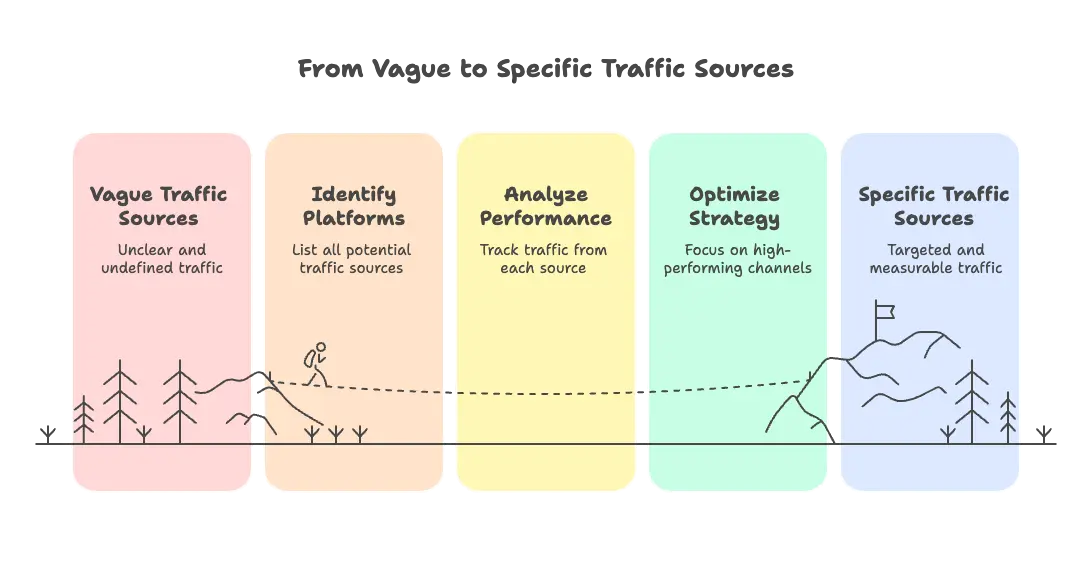
Being Specific vs. Being Vague
Vague answers:
- “Social media”
- “Free traffic”
- “Multiple platforms”
Specific answers:
- “TikTok short-form video traffic”
- “Pinterest SEO pins to niche landing pages”
- “YouTube tutorials linking to content pages”
Specificity shows intent. Vagueness suggests guessing.
Organic vs. Paid Traffic Positioning
If you’re using organic traffic, that’s fine, just say how.
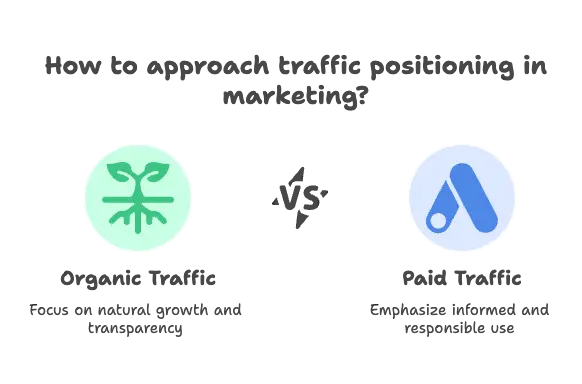
If you mention paid traffic:
- Only mention platforms you understand
- Avoid sounding experimental or reckless
- Emphasize testing and compliance
Example:
“I plan to start with organic traffic and later test paid ads while following all offer and traffic rules.”
That’s cautious, and networks like cautious.
Website / URL Field
This field is more important than most beginners think.
What to Link If You Don’t Have a Full Site
Best options (in order of strength):
- A simple domain with a landing page
- A niche blog or content site
- An active, niche-relevant social profile
If you only have a social page, make sure it:
- Has posts
- Matches the niche you described
- Looks intentional, not empty
Why Domains Beat Social Links (But Both Can Work)
A domain signals commitment. It tells OGAds:
- You invested money
- You’re building an asset
- You’re less likely to disappear
Social links can still work, but a clean domain almost always looks more serious.
Key takeaway:
This section isn’t about saying the right words.
It’s about proving you understand the system.
When your answers show clarity, structure, and restraint, you stop looking like a risk , and start looking like an affiliate worth approving.
Step 4: Complete Social and Contact Details
This step looks minor, but it quietly reinforces everything you’ve claimed so far.
OGAds doesn’t just evaluate what you say , they evaluate whether you’re reachable, accountable, and easy to work with.
Why OGAds Values Communication Access
CPA networks deal with real advertisers and real money. When something goes wrong, traffic quality, compliance questions, payout issues, they need to be able to reach you quickly.
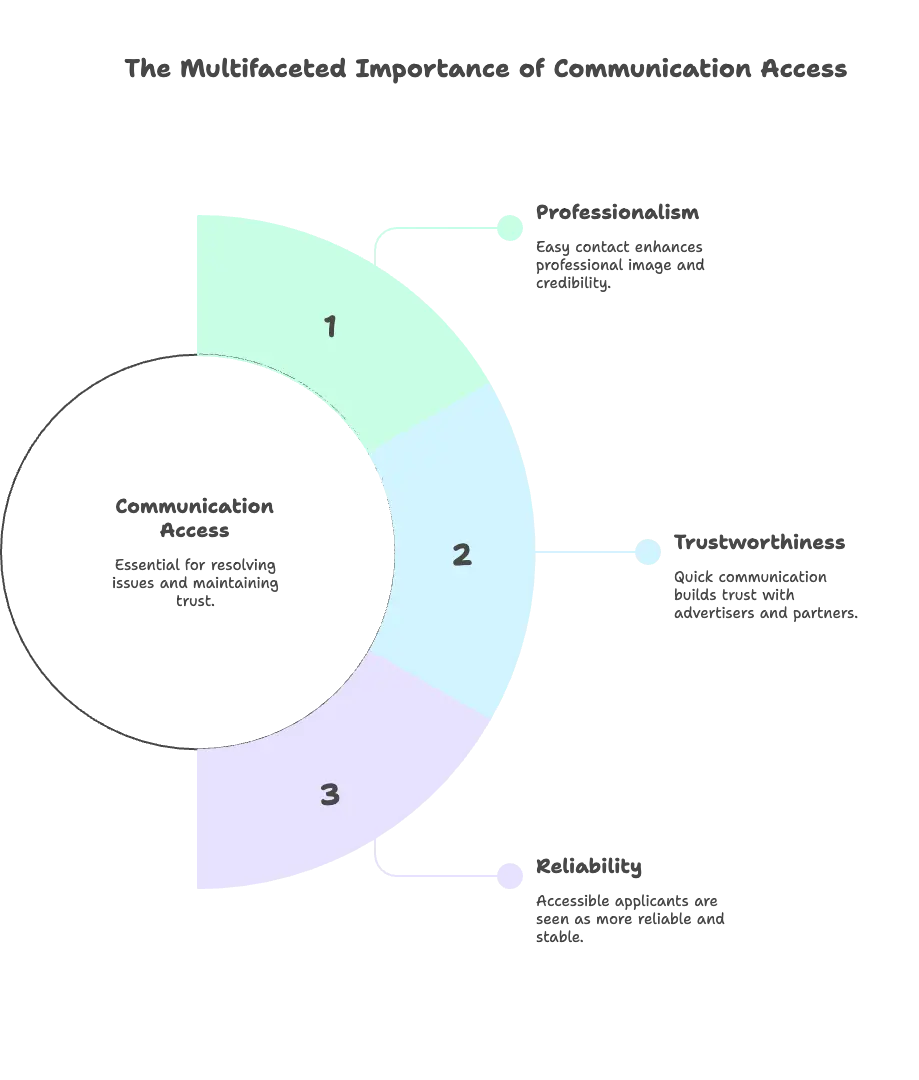
Applicants who are easy to contact look:
- More professional
- More trustworthy
- Less likely to disappear
That alone lowers perceived risk.
Social Profiles
You don’t need influencer-level accounts. You need proof of presence.
How to List Them Correctly
When entering social profiles:
- Use full URLs where possible
- Avoid adding “@” symbols if the form specifies URLs
- Link directly to the profile, not a homepage
Example formats:
- youtube.com/@yourchannel
- instagram.com/yourpage
- tiktok.com/@yourusername
Accuracy matters more than polish.
What Profiles Make You Look Credible
Credible profiles share a few traits:
- They’re niche-aligned with your application
- They have visible posts
- They don’t look abandoned or randomly themed
A small gaming page with consistent posts looks far better than a large account with unrelated content.
Consistency > size.
Messengers and Availability
This is where many applicants hurt themselves by leaving fields blank.
Which Contact Methods Help Approval
Providing at least one real-time contact option helps:
- Telegram
- Phone number (if comfortable)
You don’t need all of them, just one reliable method signals openness.
Signaling Responsiveness and Professionalism
If the form asks about availability or time zone:
- Be honest
- Choose reasonable hours
- Avoid sounding unavailable or indifferent
This subtly tells OGAds: “If there’s an issue, I’ll respond.”
Step 5: What to Expect After Submitting
Once you submit your application to OGAds, it enters manual review.
Nothing happens instantly , and that’s normal.
How OGAds Reviews Applications
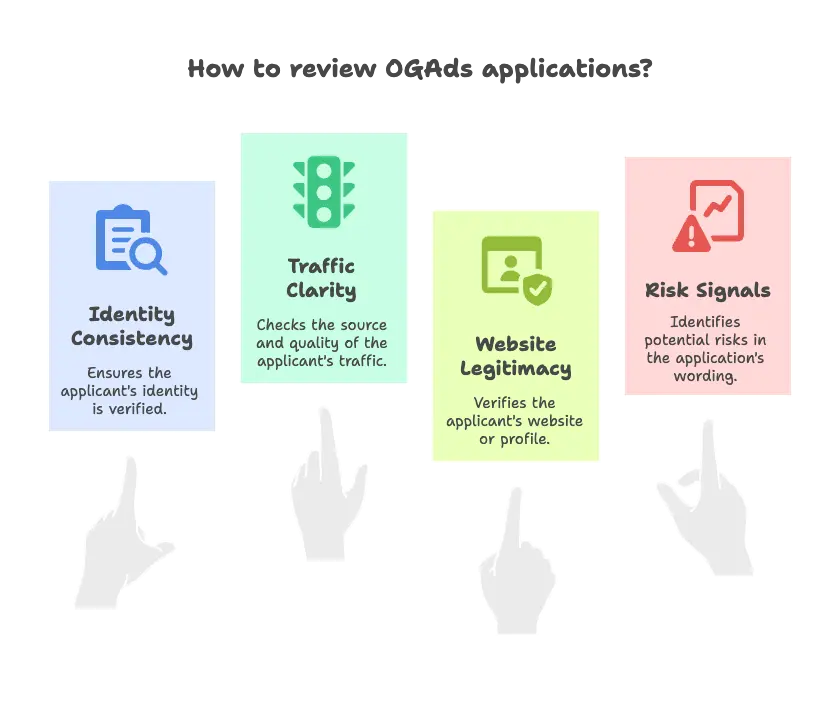
A reviewer checks:
- Identity consistency
- Traffic clarity
- Website or profile legitimacy
- Risk signals in wording
If something is unclear, they may reach out. Silence doesn’t mean rejection.
Approval Timelines
Typical Wait Times
Most applicants hear back within:
- A few hours
- 1–3 business days
More complete applications tend to move faster.
What Follow-Up Questions Mean
If OGAds contacts you:
- That’s a good sign, not a bad one
- It means your application is under consideration
- They want clarification, not justification
Respond clearly, politely, and promptly.
If You’re Approved
Approval emails give you access to the dashboard immediately.
First Steps Inside the Dashboard
Your first actions should be:
- Set up a content locker
- Review offer rules carefully
- Explore smart links and geos
- Read beginner training materials
Avoid rushing traffic on day one.
What OGAds Expects You to Do Next
They expect:
- Compliance with offer rules
- Real user traffic
- Communication if issues arise
Starting slow and clean builds trust fast.
If You’re Denied
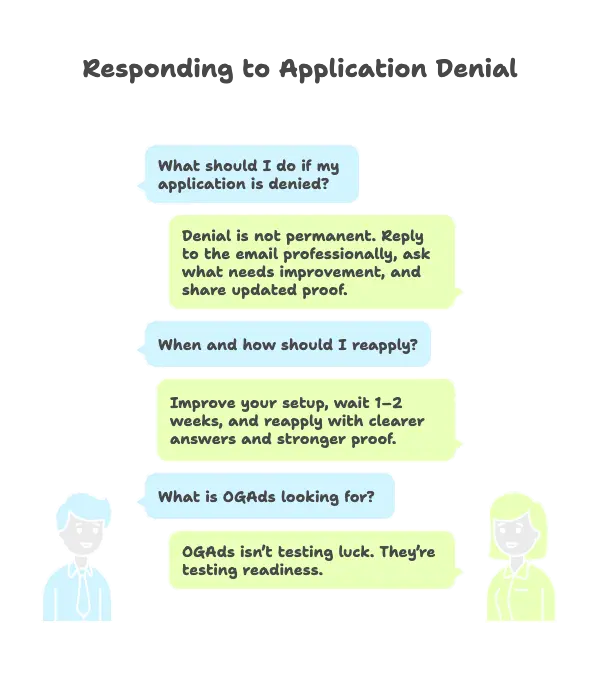
Denial is not permanent.
How to Respond Correctly
If you’re denied:
- Reply to the email professionally
- Ask what needs improvement
- Share updated proof (site, traffic source, clearer plan)
Many approvals happen on the second attempt.
When and How to Reapply
Best practice:
- Improve your setup
- Wait 1–2 weeks
- Reapply with clearer answers and stronger proof
Reapplications that show progress are often approved.
Final note:
OGAds isn’t testing luck. They’re testing readiness.
If you show preparation, communication, and clarity, approval becomes a matter of when, not if.
Extra Tips for Beginners to Look “Pro”
At this stage, you’ve handled the big pieces. What’s left are the signals , small details that quietly influence whether a reviewer trusts you.
These don’t feel important while filling out the form.
They absolutely are.
Small Details That Increase Trust
Trust isn’t built with one big claim. It’s built through consistency.
Everything in your application should tell the same story:
“This person is real, prepared, and understands the rules.”
Professional Identity Signals
OGAds reviewers see thousands of applications. Patterns stand out fast.
Emails, Usernames, and Profiles
Use:
- A normal email address (Gmail is fine)
- A clean, neutral username
- Profiles without spammy language or symbols
Avoid:
- “hacker”, “bot”, “crack”, “freecash”, or exaggerated money terms
- Random numbers or messy naming
Your identity doesn’t need branding, it needs credibility.
Location Consistency
Your:
- Country
- Address
- Time zone
- IP behavior
…should all align.
Using a VPN, mismatched countries, or switching locations creates unnecessary suspicion. Even if approval slips through, inconsistencies often cause issues later during payments or reviews.
Consistency = lower risk.
Avoiding Red-Flag Language
Some words instantly signal trouble , even if you didn’t mean them that way.
Terms and Tactics Never to Mention
Avoid mentioning:
- Bots or automated traffic
- Fake leads or incentivized abuse
- “Guaranteed conversions”
- Bypassing offer rules
- Account farming or reselling
Even hypothetically.
Networks read these as intent signals.
How to Frame Compliance Correctly
Instead, use language like:
- “Organic traffic”
- “Real users”
- “Following offer and traffic rules”
- “Testing carefully”
- “Quality over volume”
You’re not trying to impress. You’re trying to reassure.
Showing Compliance Awareness
This is one of the strongest approval signals , and one of the easiest to add.
Demonstrating Rule Understanding
You don’t need legal language. Simple statements work:
- You understand each offer has rules
- You won’t use misleading tactics
- You’ll comply with traffic and content guidelines
This shows maturity , not experience.
Why This Reassures Reviewers
Compliance awareness tells OGAds:
- You’re less likely to cause advertiser issues
- You’ll ask questions instead of guessing
- You’re building long-term, not chasing quick wins
That makes you safer to approve.
Why Buying Accounts Is a Bad Idea

You’ll see services offering “pre-approved OGAds accounts.” They’re tempting , and risky.
Short-Term vs. Long-Term Consequences
Short term:
- Faster access
Long term:
- High ban risk
- Payment issues
- Loss of account control
Most networks prohibit account creation on someone else’s behalf. Even if it works initially, it often ends badly.
Account Ownership Risks
If the account isn’t created in your real name:
- You don’t fully own it
- You can lose access without warning
- Recovering it is almost impossible
For a business you want to grow, that’s not worth the shortcut.
Final Takeaway
Why Beginners Can Get Approved
OGAds doesn’t reject beginners.
It rejects unclear, rushed, or risky applications.
If you:
- Prepare basic proof
- Answer clearly
- Show understanding and restraint
You’re already ahead of most applicants.
The Real Approval Formula (Summarized)
Preparation + Clarity + Compliance = Approval
Not hype. Not experience. Not shortcuts.
What to Do Before Clicking “Submit”
Before submitting:
- Re-read every answer
- Check for consistency
- Ask: “Would I trust this applicant?”
If the answer is yes, you’re ready.
Approval isn’t luck.
It's a presentation.